During my residency, I was taught that high cholesterol causes heart disease. In fact, I think that’s still the story most everyone believes. But for me, this somehow didn’t compute. What does it mean that cholesterol levels are high? What is the body trying to do? I don’t think our body is trying to kill us, so what’s going on here?
The body is a very smart self-regulating system. The body raises its output of cholesterol for good reason.
We know cholesterol usually increases with age. “High” cholesterol is correlated with heart disease, but is high cholesterol (hypercholesterolemia) causing heart disease?
What Does a Number Mean?
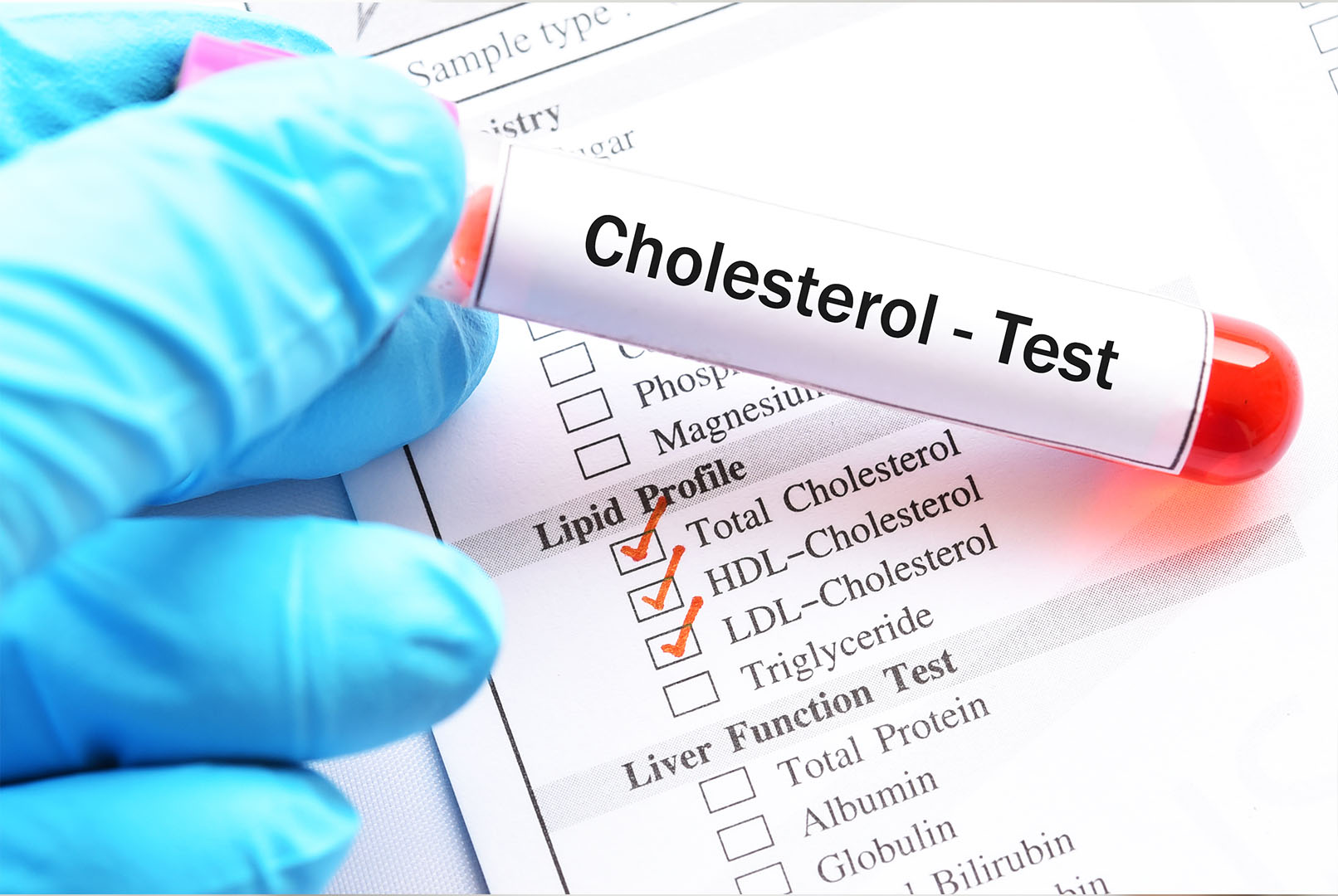 The current “normal range” for total cholesterol is under 200. Once it gets above 200, the medical doctor sees this as a bad thing and often prescribes a statin drug to forcibly lower a person’s cholesterol level by blocking the body’s ability to make it. “High” cholesterol is common; statins are one of the top 3 drugs prescribed in the United States today. That’s terrific if you are a pharmaceutical company, but not very good at all if you are a human who wants to live a long and healthy life.
It appears that “high” cholesterol and high incidence of heart disease are correlated, i.e., they go together. But lowering the cholesterol doesn’t appear to make a difference in lifespan.
Correlation does not equal causation. Researchers have found that most major heart attacks occur in people with normal cholesterol levels. In other words, high cholesterol does not appear to be what’s killing people.
So, what does cholesterol do in the body and why does it go up with age?
Cholesterol IS a Rock Star
Cholesterol is actually a rock star in the body. It is a critical component for life. It is “the mother of all hormones.” It is a major antioxidant.  It also is a major building block for cell membranes, bile acids, and we couldn’t turn sunlight into vitamin D3 without it. In fact, we wouldn’t be alive without it.
When the production of sex hormones starts to decline as we age, cholesterol says, “Hey, I can increase my output of hormones – testosterone, estrogen, progesterone, pregnenolone, DHEA, etc., to help you out.” So,our body increases production of cholesterol – the first building block of all hormones – in an attempt to restore a healthy hormone balance.
Doctors can write a script for statins, but do we really want to decrease our output of cholesterol? Statins work by blocking the enzyme that makes cholesterol in the liver. (This same enzyme also makes Coenzyme Q10 which makes energy for the heart, brain, and other organs.) Statins interfere with the body’s attempt to make more hormones, and look at the side effects produced – severe fatigue, brain fog, impotency, fibromyalgia-like pain, tendon ruptures, depression, weight gain, suicides.
Our body is not trying to kill us – it has a reason for elevating the output of “the mother of all hormones.”
How Low Can You Go?
 If you keep your cholesterol level too low, eventually your hormones, disease risk, cell-signaling pathways, and even your heart, will suffer. New research shows that a too-low LDL level could put you at higher risk for a stroke.
Rethinking High Cholesterol
 A CDC study published in JAMA Internal Medicine made front page news in 2014. The study basically said it’s not the fat that is giving us heart attacks, it’s the inflammatory effect of all the sugar we eat –sodas, cakes, cookies, candy, and processed foods. Dr. Frank Hu and his colleagues at Harvard worked on that study. “Basically, the higher the intake of added sugar, the higher the risk for heart disease,” said Dr. Hu. “This study provides strong evidence that higher consumption of sugary beverages is an important risk factor for heart disease. Even moderate consumption – one soda per day –is associated with a 20% [increased] risk.”